


Introduction
Mexico City is one of the most dynamic cities in the world since it has a rich history and a strong economy. As Mexico’s capital and largest city, it is an important center for business, tourism, diplomacy, and culture. The city’s size and might are shown in its aviation infrastructure, which connects millions of travelers to places all over the world every year. Travelers, aviation fans, and businesspeople all need to know about Mexico City airports since they affect first impressions, mobility, and efficiency for the whole region.
Over the years, air travel in Mexico City has changed to keep up with population growth, more tourists, and new technology. The airports in the city are more than just places to get from one place to another; they are also economic engines, job centers, and symbols of the country’s goals. This page goes into great detail on Mexico City airports, looking at their history, layout, passenger experience, transportation options, and future prospects. The goal is to create a complete and unique resource that explains how these airports work and why they are so important to Mexico’s present and future.
The History of Aviation in the Capital

Aviation in Mexico City has its beginnings in the early 1900s, when airfields were small and mostly used for military or experimental purposes. It became evident that a proper airport was needed as commercial aviation grew. Early facilities were small, but they were the start of what would become one of the busiest aviation systems in Latin America.
As Mexico City grew quickly, it needed to keep expanding its airport. The initial airport location slowly turned into a significant international hub that could handle jet planes, more passengers, and complicated operations. Each stage of growth was a reflection of bigger changes in Mexico’s economy and politics, such as industrialization, globalization, and the growth of foreign tourism. The development of Mexico City’s airports is strongly linked to the country’s modernity. It shows both success and continued problems with space, traffic, and sustainability.
A Look at the Main Airports that Serve the City
There are several airports in Mexico City, and each one has a different job. The primary international airport in the city limits is the most important one. It handles most of the local and international flights. In the last few years, new airports have been built or expanded in the metropolitan area around here to ease traffic and make it more even.
The airports in Mexico City are not just one place; they are all connected to each other. This method lets airlines choose routes in a smart way and gives passengers more choices based on their destination and airline preference. Multiple airports also help with freight operations, private aviation, and specialized services, which keeps the area competitive in the worldwide aviation market.
The Main Hub is Benito Juárez International Airport
Benito Juárez International Airport is the main airport in Mexico City. It has long been the principal entry point for international passengers coming to the capital because it is close to the city center. The airport is named after a former president of Mexico and represents national pride and the continuation of history.
There are two main passenger terminals at the airport that serve millions of people every year. These terminals are meant to work with many different types of airlines, from full-service international airlines to low-cost domestic flights. Even though the airport doesn’t have a lot of room, it keeps updating its buildings to make it easier for people to get through, improve security, and offer more shopping options. This airport is the first one many passengers see in Mexico City, thus its efficiency and atmosphere are quite significant.
Felipe Ángeles International Airport and Growth in the Region
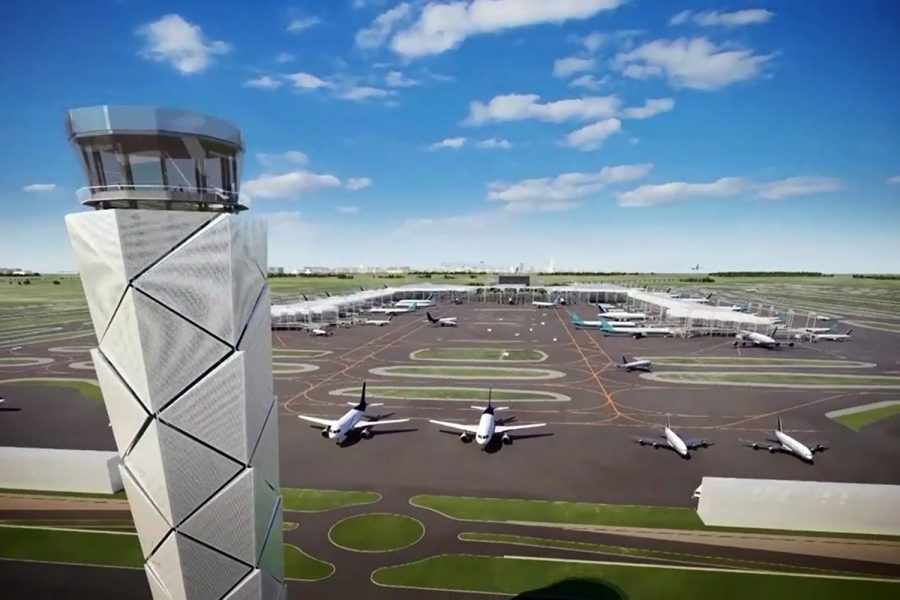
Felipe Ángeles International Airport was built as a major expansion to the metropolitan aviation system to deal with capacity issues at the main hub. It is located outside the main urban region and is a strategic endeavor to spread out air traffic while also boosting economic growth in nearby communities.
This newer building has contemporary infrastructure, longer runways, and more space for cargo. It is becoming more important for internal flights and some international routes, which helps to balance out the traffic at Mexico City airports. As airlines change their networks and passengers get used to its services, its importance is projected to grow over time.
Design of Terminals and Airport Infrastructure
Any major airport has a lot of infrastructure, and the airports in Mexico City are no different. Terminal architecture strikes a balance between purpose and cultural expression, and it often includes architectural features that show off Mexican culture. The terminals try to be both useful and give people a sense of location by having big hallways and artistic patterns based on local art.
Runways, taxiways, and control towers are built to handle a lot of traffic in a complicated airspace. Because of the city’s height and weather patterns, flying planes there needs careful planning and cutting-edge technology. Building and maintaining infrastructure over time makes ensuring that safety, reliability, and adaptability stay high as aviation standards change.
Services and Experiences for Passengers
The reputation of Mexico City airports depends a lot on how well they treat their passengers. Travelers can choose from a wide choice of services that are meant to make their trips more comfortable and easy. Staff skilled to handle big and varied passenger flows help with check-in counters, security checks, and immigration facilities.
Airports provide more than just the basics; they also have restaurants, boutiques, lounges, and cultural displays. These facilities turn waiting time into a chance to learn about Mexican food, crafts, and hospitality. For overseas travelers, these kinds of experiences give them a taste of the country’s lively culture. For local travelers, they make sure that service standards are always high.
Transportation on the Ground and Connections
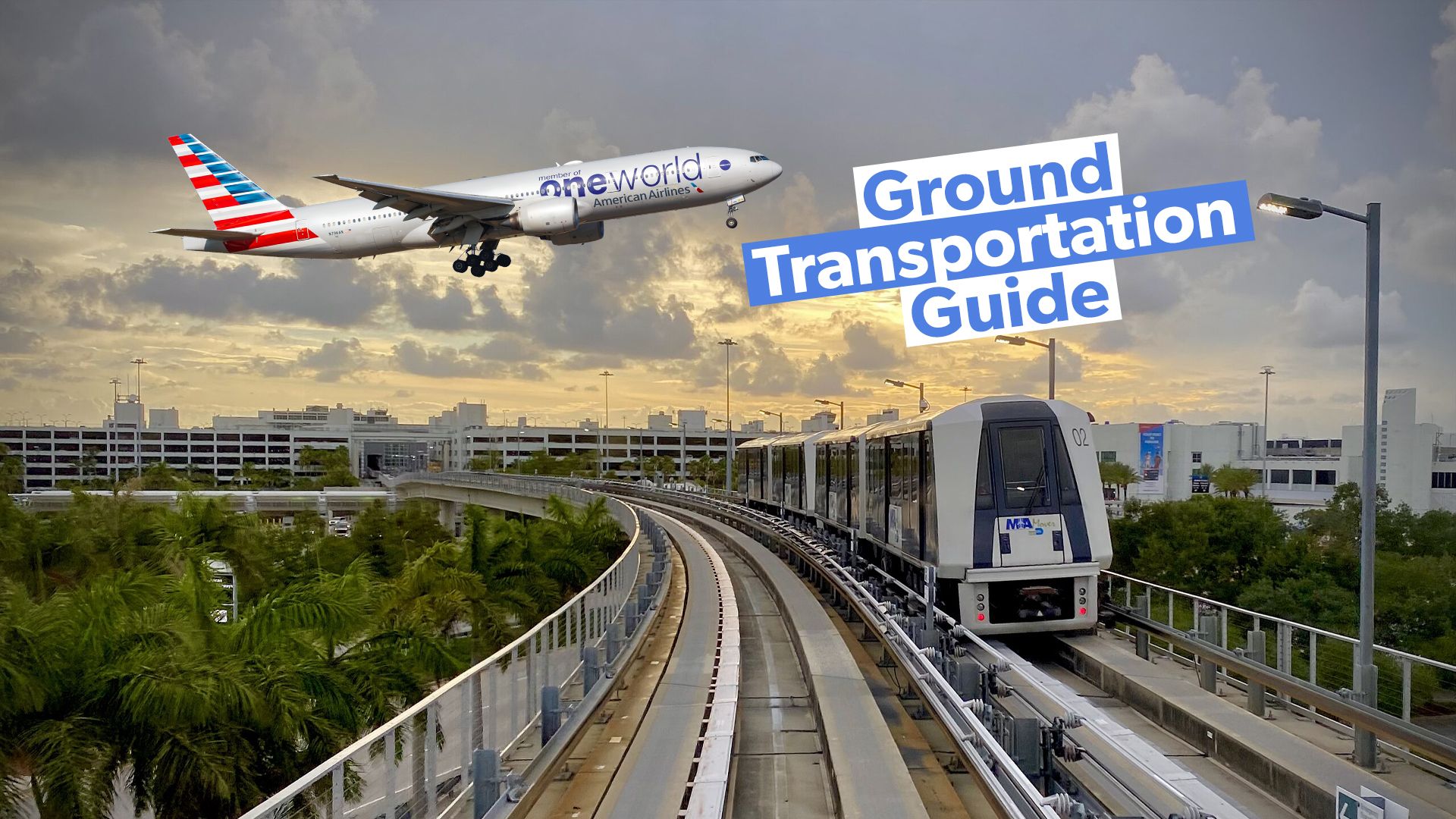
Any airport system needs good ground transportation to work well. There are problems with Mexico City’s crowded urban setting, but there are also many ways to get around. Terminals are connected to different parts of the city and nearby areas by roads, public transportation lines, and special airport services.
Airports in Mexico City are part of a larger transportation plan, which makes sure that passengers can easily switch from flying to getting around the city. Improving connectivity is still a top objective because shorter travel times and easier navigation make people happier and less congested around airport zones.
Cargo Operations and Their Effect on the Economy
Mexico City airports are important for both passenger and cargo transit. Specialized facilities that are made for speed and safety handle everything from industrial parts to food that goes bad quickly. Cargo operations help Mexico’s position in global supply chains and assist international trade.
The effects of major airports on the economy go beyond just flying. A strong airport system helps create jobs, bring in tourist dollars, and grow businesses. Hotels, logistics hubs, and service sectors typically flourish in nearby towns, which shows how important airports are as engines of regional development.
Environmental Concerns and Sustainability
As more people throughout the world become aware of environmental issues, airports are under more pressure to use eco-friendly methods. Airports in Mexico City are no different; they are in a megacity that already has problems with air quality and resources. Reducing pollutants, controlling noise, and making better use of energy are becoming more and more important parts of airport management plans.
Modernization projects generally include more environmentally friendly technologies, like better lighting systems and procedures for getting rid of trash. It’s not easy to find a balance between expansion and sustainability, but current projects show that the company is committed to reducing its impact on the environment while still providing excellent service.
Steps to Keep You Safe and Secure

Safety is still the most important thing in flying, and the airports in Mexico City follow worldwide standards for security and operations. A safe travel environment is made possible by advanced screening technologies, skilled staff, and well-coordinated emergency response procedures.
The goal of security measures is to be thorough without making passengers uncomfortable. Airports can respond well to changing hazards thanks to regular updates and worker training. This keeps travelers and airlines confident.
First Impressions and Cultural Importance
Airports are generally the first and last places travelers see when they arrive at a new place. Mexico City’s airports accept this position by showing off cultural things that are part of the country’s culture. Art installations, traditional patterns, and signs in many languages make the space feel both friendly and educational.
These cultural touches make the point that airports are not just places to pass through, but also doors to a rich and diverse civilization. For tourists, these touches make the trip more enjoyable, and for people who live there, they make them proud of their city’s global presence.
Plans for the Future and a Long-Term Vision
In the future, the airports in Mexico City will have to keep upgrading to keep up with new travel trends and new technology. Planning decisions are affected by things like population growth, tourism patterns, and airline strategy. Authorities and stakeholders want to find a balance between growth and efficiency so that the airport system stays strong and competitive.
Long-term goals include better connections between airports, better digital services, and a bigger focus on sustainability. Mexico City airports want to stay important hubs in international aviation while also helping with the larger goals of urban development by planning for future needs.
A Look at the Main Airports in Mexico City
The table below shows how the main airports in the area compare in terms of certain important features. It also shows how each airport fits into the system.
| Airport Name | Primary Role | Location Context | Key Strength |
|---|---|---|---|
| Benito Juárez International | Main international and domestic hub | Within city limits | Central accessibility |
| Felipe Ángeles International | Capacity relief and expansion hub | Metropolitan outskirts | Modern infrastructure |
| Regional Supporting Airports | Specialized and overflow operations | Surrounding regions | Traffic distribution |
Airline Operations and Passenger Flow
Knowing how passengers and airlines interact at airports in Mexico City can help explain how complicated operations are. To make things run as smoothly as possible, airlines work together to plan schedules, assign gates, and provide ground services. Passengers have to go through check-in, security, and boarding processes that need to work well even during the busiest travel times.
The number of local and international flights affects how many people use the terminal and how many staff are needed. To keep service quality high and cut down on delays, you need to be able to change your plans when the seasons change, like during the holidays or big events.
New Technology in Airport Management
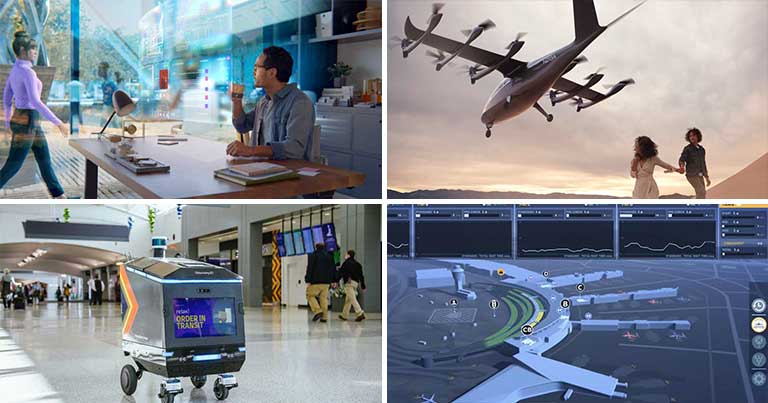
Technology is becoming more and more vital in how airports work these days. Digital systems are used at airports in Mexico City to keep track of flights, bags, and security. Automation and data analysis help managers make decisions, make the most use of resources, and respond promptly to problems.
For travelers, new technology means easier trips with mobile check-in, real-time updates, and better navigation inside terminals. These airports always adding new technologies that make things run more smoothly and make the experience better for everyone.
Table of Focus for Passengers and Cargo
The second table shows the main areas of concentration for Mexico City airports, with an emphasis on finding a balance between passenger services and cargo operations.
| Focus Area | Passenger-Oriented Functions | Cargo-Oriented Functions |
|---|---|---|
| Infrastructure | Terminals, lounges, boarding gates | Warehouses, loading zones |
| Operations | Check-in, security, immigration | Customs, logistics handling |
| Economic Role | Tourism and business travel | Trade and supply chain support |
Problems with the Airport System
Mexico City airports are still having problems, even though they are quite important. Careful management is needed because of traffic jams, limited land, and environmental issues. Planning and communication are more difficult when you have to coordinate many airports in a crowded area.
To solve these problems, government organizations, airlines, and local communities need to work together. Investing in infrastructure, technology, and policy changes is very important to making sure that the airport system can handle future needs without sacrificing quality or safety.
Conclusion: The airports in Mexico City are very important for strategy.
Airports in Mexico City are much more than just places to leave and arrive. They are important parts of the city’s economy, culture, and connections to the rest of the world. These airports show Mexico City’s desire to stay a top international destination, from how they were built to what they hope to achieve in the future.
Travelers and stakeholders can learn about how aviation affects the capital’s link with the rest of the globe by learning about its structure, services, and problems. As air travel changes throughout time, Mexico City’s airports will always be an important part of the city’s identity. They will be busy gateways that connect people, ideas, and opportunities across continents.
Read More:- Best eSIM for Turkey Travel: Coverage, Cost, Speed & Ease