

Introduction
People and businesses both know how important it is to keep learning and growing in a professional world that changes quickly. Careers aren’t straight lines anymore, and to be successful, you need to be flexible, have a clear goal, and keep learning new skills. A professional development plan is an organized way for people to figure out where they are now, where they want to go, and how they will get there. It helps people stay focused on their goals and make sure that their growth efforts are in line with actions that can be measured.
A good professional development plan doesn’t just include raises and promotions. It also helps people become more conscious of themselves, stay employable for a long time, and feel more confident about changing jobs. By making a conscious effort to improve professionally, people can stay relevant in competitive fields and learn skills that go beyond just technical knowledge.
Grasping the Idea of Professional Development
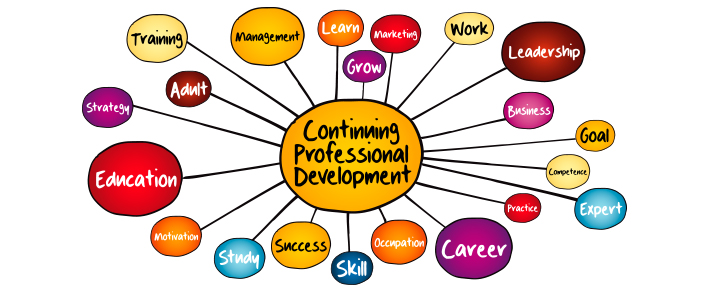
Professional development is the planned process of learning new things, improving skills you already have, and making your career-related skills stronger. It comprises formal schooling, learning by doing, getting help from a mentor, thinking about what you’ve learned, and making improvements on your own. Professional growth, on the other hand, focuses on making progress over the course of a whole career, not just for a short time.
A professional development plan turns vague goals into a clear plan of action. Instead than waiting for opportunities to come up, people plan their own growth path. This method helps people see things more clearly, keeps their careers from getting stuck, and motivates them by linking everyday work to long-term goals.
Why a Plan for Professional Development is Important
Flexibility and resilience are important in today’s jobs. Roles change, industries change, and new technology come out quickly. Professionals run the risk of falling behind or feeling lost if they don’t have a strategic plan. A professional development plan gives you a defined path to advancement, which helps you stay stable during times of transition.
Alignment is one of the most important benefits. Setting and ranking goals makes learning more effective. Instead of trying to grow in several areas at once, you focus your time and energy on the talents that really matter. Also, having a written professional development plan makes people more responsible since they can look back on their progress and make changes as needed.
Employers also like people who are responsible for their own progress. A detailed growth plan shows that you are proactive, ambitious, and committed to the long term. This might help your performance reviews and chances to become a leader.
Key Parts of a Good Development Plan
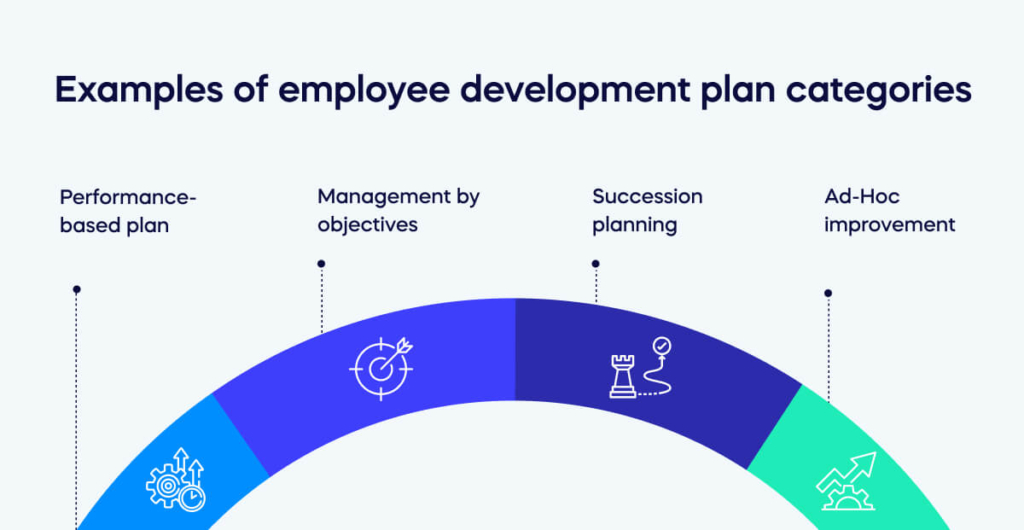
A good development plan has a number of parts that work together to make sure it is clear and possible to carry out. Self-assessment is the basis. People may set realistic and meaningful objectives when they know their strengths, weaknesses, interests, and values. The next step is to write out your career vision, which is where you want to go in the short, medium, and long term.
Finding out what skills you have is another important part. As career success depends more and more on communication, leadership, adaptability, and emotional intelligence, both technical capabilities and soft skills must be taken into account. Learning plans then show how abilities will be improved through classes, projects, feedback, or mentoring.
Last but not least, timeframes and evaluation criteria help things stay organized. It’s hard to tell how much progress is being made without timetables and benchmarks. A professional development plan needs to be reviewed and improved on a regular basis to stay useful.
Self-Assessment as the Beginning
Individuals must honestly assess their current situation before establishing objectives. When you do a self-assessment, you look at your professional successes, problems, habits, and feedback on your work. You need to think about things like what talents you have that are strong, what areas you need to work on, and what hobbies make you feel good.
This stage frequently shows where present skills don’t match up with planned jobs. Seeing these gaps doesn’t make you feel bad; it gives you power. Awareness helps you make conscious learning choices and keeps you from having unreasonable expectations.
Self-assessment should also take into account your own ideals and the way you like to live. A professional development plan that doesn’t take into account work-life balance or intrinsic motivation is not likely to operate in the long run.
Setting Clear and Realistic Career Goals
Setting goals turns self-awareness into a plan of action. Goals should be clear, easy to measure, possible to reach, important, and have a deadline. Setting clear goals helps you see progress and makes things less confusing. Instead of trying to “improve leadership,” a better goal may be to lead a project involving people from different departments within a set amount of time.
Short-term objectives usually have to do with learning new skills or getting better at what you do, whereas long-term goals have to do with moving forward in your career or changing roles. A professional development plan links these timelines so that daily work helps you reach your bigger goals.
It’s important to look back at your goals every now and then. As you get more experience and things change, you may need to adjust your goals to keep them in line with your changing priorities.
Finding out what Skills you Need to Learn and What you don’t Have
After setting goals, the following stage is to figure out what abilities are needed to reach them. Technical and interpersonal skills are often both missing from skill gaps. Technical skills might be things like knowing about the industry, the tools, or the processes. Interpersonal skills include being able to talk to people, work with others, and solve problems.
It’s also crucial to know how people want to learn. Some people learn best when they take structured classes, while others learn better by doing things alone or with other people. To get the most out of your professional development plan, it should take these preferences into account.
This step makes ensuring that development efforts are useful and in line with real job needs, not just guesses.
Table 1: The main Parts of a Professional Development Framework
| Component | Description | Purpose |
|---|---|---|
| Self-Assessment | Evaluation of current skills, strengths, and weaknesses | Establishes a realistic starting point |
| Goal Setting | Defining short- and long-term objectives | Provides direction and focus |
| Skill Identification | Recognizing required competencies | Aligns learning with career needs |
| Learning Strategies | Methods for acquiring skills | Ensures effective development |
| Evaluation | Measuring progress and outcomes | Maintains accountability |
Making a Plan of Action
An action plan turns goals into something you can do. Each action should make it obvious what will be done, how it will be done, and when it will be done. This structure makes people less likely to put things off and more likely to stick with their plans.
It’s helpful to split big goals into smaller milestones when establishing a professional development plan. Making small steps forward generates momentum and self-assurance. It’s crucial to write things down since it makes people more responsible and lets you keep track of your progress.
This is where time management is really important. Setting out regular time for development activities makes sure that they happen, even when there is a lot of work to do.
The Importance of Feedback and Mentorship

Mentorship helps people progress in their careers faster by giving them advice, a new point of view, and support. A mentor can help you set better goals, find areas where you need to improve, and share what they’ve learned from their own experiences. Getting feedback from mentors, peers, or superiors is important for getting better.
To include feedback in a professional development plan, you need to be open and think about it. Constructive criticism shows where you can improve and confirms that you are making progress. People that actively ask for input show that they are mature and want to do their best.
Mentorship relationships should be respectful of each other and focused on goals that are in line with growth goals.
Being able to Learn and Change all the Time
Reaching a goal doesn’t mean the end of professional growth. To be successful in the long run, you need to keep learning. Industries change, and skills that are useful now may not be useful in the future. So, a professional development plan should stress being flexible and learning new things all the time.
This way of thinking makes you curious, willing to try new things, and strong. Professionals who see learning as a process that never ends are better able to deal with change and uncertainty. Being adaptable also makes you more confident since you know you can learn and change.
Updating development plans on a regular basis makes sure they are in line with current trends and chances.
Table 2: Examples of Activities and Results for Development
| Development Activity | Focus Area | Expected Outcome |
|---|---|---|
| Skill Workshops | Technical expertise | Improved job performance |
| Mentorship Sessions | Career guidance | Clearer career direction |
| Project Leadership | Management skills | Enhanced leadership ability |
| Self-Reflection | Personal growth | Increased self-awareness |
How to Measure Progress and Success
Any plan for professional growth needs to include evaluation. It is hard to tell how effective something is without measuring it. You can check on your progress by doing performance reviews, skill tests, looking at the results of your projects, or just thinking about how you did.
Promotions and recognition are not the only ways to determine success. More confidence, better problem-solving skills, and more job satisfaction are all good signs as well. Regular evaluations let people celebrate their successes and change their plans when they need to.
A structured evaluation process makes sure that development work stays on track with both personal and corporate goals.
Getting Past Common Problems
It can be hard to design and stick to a professional growth strategy. Lack of desire, time limits, or unclear priorities might make it hard to make progress. To deal with these problems, you need to be disciplined, make realistic plans, and get help.
When you break goals down into smaller, more doable steps, you may get over feeling overwhelmed. Getting responsibility from mentors or peers strengthens your commitment. It’s also crucial to be flexible because plans may need to be changed if things change unexpectedly.
You need to be patient and keep going. Professional growth takes time, and you should see setbacks as chances to learn instead of failures.
Help from the Organization and Career Growth

Companies are very important for helping their employees grow. People are more inclined to plan their own development when organizations encourage learning and give them the tools they need. When an organization’s goals and an individual’s goals are in line, both parties profit.
When there is clear communication, access to learning opportunities, and recognition of growth efforts, a professional development plan works better. These kinds of places encourage loyalty, new ideas, and long-term performance development.
When employees feel supported, they are more likely to work hard to improve themselves and help the company succeed.
The Long-Term Effects of Strategic Development Planning
A well-kept professional development plan helps you stay happy and strong in your job throughout time. It gives people the power to handle changes, look for important possibilities, and deal with change with confidence.
Along with helping you move up in your job, development planning also boosts your self-esteem, decision-making skills, and sense of who you are as a professional. People become more clear about their strengths and goals, which helps them make better professional decisions.
In the end, professional progress is a journey that lasts a lifetime. People who commit to systematic growth are better able to find fulfillment and success in a professional world that is always changing.
In conclusion
A professional development plan is more than just a piece of paper; it’s a way of thinking that promotes constant improvement and planned career advancement. Individuals can make a plan for their personal and professional success by integrating self-assessment, goal setting, skill building, mentorship, and evaluation.
A professional development plan can help you deal with change, improve your skills, and find long-term happiness if you work on it regularly and think about it. In a world where being flexible is important, planned growth is not an option but a must for long-term success.
Read More:- Battery Technology News: Innovations, Trends, and the Future of Energy Storage