

Introduction
One of the most significant worldwide conversations of our time is about mental health. As communities become more interconnected and fast-paced, emotional well-being is increasingly seen as a cornerstone for individual achievement, social cohesion, and economic stability. Mental health awareness isn’t only about knowing about mental illness. It’s also about understanding feelings, dealing with stress, building resilience, and making places where individuals may thrive. Communities get stronger and more welcoming when people are kind and know what’s going on.
Even while things are getting better, many people still don’t get help because of misunderstandings and stigma. Awareness of mental health is very important for breaking down these barriers because it encourages people to talk about their problems and learn more about them. It gives people the tools they need to spot early symptoms of distress, encourages them to be more empathetic toward others, and backs policies that make it easier for people to get help. This article talks about mental health, why it’s important to be aware of it, common problems, the roles of society, and useful tips for improving well-being in people of all ages.
Getting to Know Mental Health

Mental health is how well a person is doing emotionally, psychologically, and socially. It has an effect on how people think, feel, act, and deal with stress in their daily lives. People with good mental health can work well, keep important connections, and deal with change. On the other hand, bad mental health can change how you make decisions, act, and feel about your life in general.
Mental health exists on a continuum. Everyone has emotional highs and lows, but if you feel unhappy, anxious, or detached all the time, it could be a sign of deeper problems. People who are aware of mental health issues know that having mental health problems is not a personal failure but a normal part of being human. Mental health, like physical health, has to be cared for and maintained throughout life.
People of various ages, cultures, and origins can have mental health problems. These diseases may stem from an interplay of biological, psychological, and environmental variables. When society understand mental health in a bigger way, they can stop judging and start focusing on compassion, prevention, and healing.
Why it’s Important to Be Aware of Mental Health
It’s important to raise awareness about mental health issues because it helps people understand and lowers stigma. People are more likely to notice signs of mental illness in themselves and others when they know more about it. This awareness often leads to earlier intervention, which can make a big difference in the results.
One of the best things about mental health awareness is that it makes it easier to talk about emotional problems. People can get help without worrying about being judged when they talk openly. Changing your mind about things can save lives, make families stronger, and make work more productive.
Awareness of mental health also helps public health programs by encouraging people to get care before they get sick. Schools, companies, and communities all have educational programs that educate people how to deal with stress, control their emotions, and cope with problems. These skills are important for getting stronger and lessening the long-term effects of mental health problems.
Common Mental Health Issues
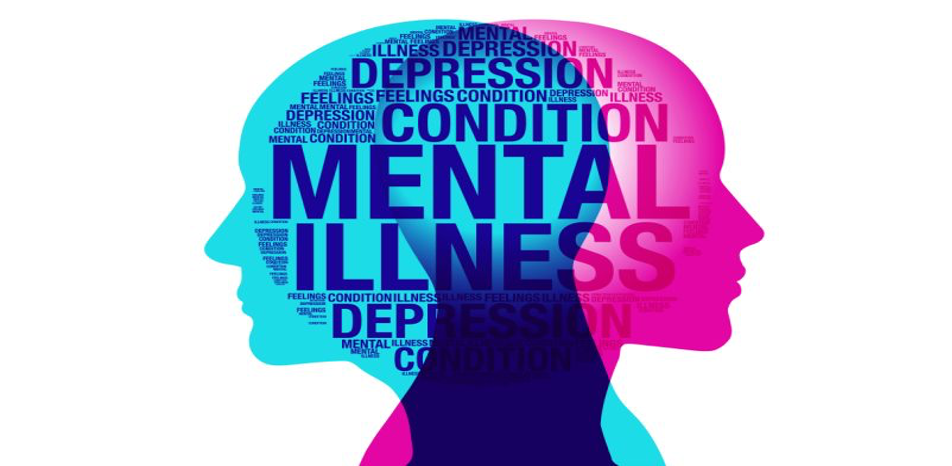
Mental health problems come in many different forms and levels of severity. Some people only feel bad for a short time because of things that happen in their lives, while others have long-term ailments that need continuing care. Being aware of mental health issues helps people tell the difference between normal emotional reactions and indicators that they may require professional care.
Stress and anxiety are two of the most frequent mental health problems. People today typically have high expectations, financial stress, and continual connectivity, which can be too much for them to handle. Another common problem is depression, which can lower motivation, energy, and self-esteem. Other illnesses include mood disorders, trauma-related conditions, and problems with drug usage.
Being aware of these problems with mental health makes them less scary and easier to understand. People are more willing to help people with mental health problems with empathy than of judgment when they hear that these problems can be managed and treated.
Awareness of Mental Health and Stigma Reduction
One of the biggest problems with mental health is still stigma. People may not seek help if they believe negative stereotypes or false information, which can lead to longer periods of suffering. Mental health awareness fights stigma by replacing false beliefs with facts and encouraging people to use polite language.
Learning is a strong way to change how people think. Communities that are well-informed are more open and accepting. Mental health awareness programs stress that mental health problems are not evidence of weakness but health problems that need to be treated. This understanding makes people feel comfortable talking about their problems and asking for help.
Families and caregivers also benefit from lowering stigma. When people talk about their mental health openly, their loved ones can help them more and feel less alone in what they’re going through.
The Importance of Education in Raising Mental Health Awareness
From a young age, education is very important for raising awareness about mental health. Schools that teach emotional literacy and stress management give pupils skills that will last a lifetime. These programs help kids learn how to recognize their feelings, talk to others, and ask for help when they need it.
Colleges and universities, as well as employers, help by providing mental health resources and training. In these places, awareness programs help people find balance, avoid burnout, and feel better overall. Being aware of mental health issues in schools makes it easier for students to learn and be productive.
By putting education first, societies put their money toward prevention instead of dealing with crises. Knowledge gives people the power to take charge of their own mental health and help others in a meaningful way.
Being Aware of Mental Health in the Workplace

Mental health awareness may have a big impact on the workplace, which is a very important location. Stress and emotional strain can come from job demands, deadlines, and how people get along with each other. Companies that put mental health first see more engagement, fewer absences, and higher morale.
Some ways that workplaces raise awareness of mental health are by teaching employees, making rules that help, and giving them access to mental health resources. When leaders show that they are open and understanding, employees feel safer talking about problems and asking for help.
A mentally healthy workplace knows that productivity and health are linked. Supporting mental health is not only the right thing to do, but it’s also a smart business move.
Support from the Community and Awareness of Mental Health
Communities are very important for raising awareness about mental health. Cultural institutions, social clubs, and local groups can all help people feel less alone by forming supporting networks. Programs that are based in the community help people connect, share experiences, and recover together.
Raising awareness of mental health in the community makes sure that help is available and fits with the culture. People are more likely to use positive coping skills and ask for help when they need it when they feel understood and respected.
Communities that are strong help people be strong by encouraging kindness, acceptance, and respect for others. These ideals are the key to long-term mental health.
Awareness of Mental Health at Different Stages of Life
Mental health needs vary during the course of life. Kids may have trouble controlling their emotions, teens may feel pressure to fit in and find their identity, adults may feel stressed at work and at home, and older people may feel lonely or lose someone. Mental health awareness acknowledges these disparities and advocates for age-appropriate assistance.
Intervening early in childhood and adolescence can help avoid problems that last a long time. Awareness helps folks take care of themselves and find equilibrium. In later age, mental health awareness stresses the importance of connection, purpose, and dignity.
By understanding mental health at different phases of life, societies can give everyone the right resources and care.
Table 1: Common Things That Affect Mental Health
| Factor Type | Description | Impact on Mental Well-Being |
|---|---|---|
| Biological | Genetics, brain chemistry, physical health | Can increase vulnerability or resilience |
| Psychological | Coping skills, self-esteem, thought patterns | Influences emotional responses |
| Social | Relationships, work environment, community support | Shapes daily stress and connection |
| Environmental | Living conditions, safety, access to resources | Affects stability and security |
Ways to Improve Mental Health
To improve mental health, you need to put in effort and think about yourself. Being conscious of mental health makes people more likely to develop routines that help them stay emotionally stable. Some of these behaviors are keeping up with healthy routines, remaining in touch with other people, and getting expert help when you need it.
You can handle stress by using mindfulness and relaxation practices. Exercise is good for both your body and mind since it makes you feel better and gives you more energy. Getting enough sleep and eating a healthy diet are also helpful for keeping your emotions stable.
Mental health awareness stresses that taking care of yourself is not selfish but necessary. People who take care of their mental health are better able to help others and make the world a better place.
Table 2: Things You Can Do to Help Your Mental Health
| Action | Purpose | Long-Term Benefit |
|---|---|---|
| Open communication | Expressing thoughts and emotions | Builds trust and reduces isolation |
| Stress management | Using relaxation and planning skills | Improves emotional resilience |
| Social connection | Maintaining relationships | Enhances sense of belonging |
| Professional support | Seeking guidance when needed | Encourages recovery and growth |
How Mental Health Awareness Affects the Whole World
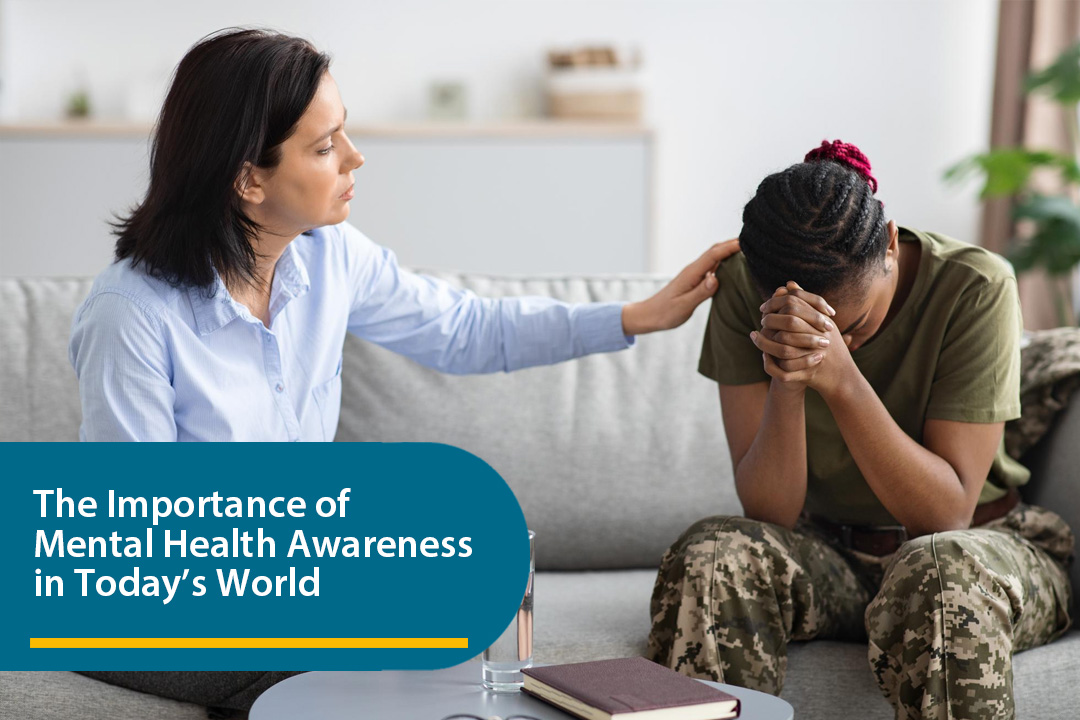
Awareness of mental health has an effect on public policy, healthcare systems, and cultural attitudes all over the world. Countries that care about mental health put money into education, prevention, and care that is easy to get. These actions help people live longer and work better.
Global mental health awareness campaigns show that everyone has emotional problems at some point in their lives. When people see mental health as a problem that affects everyone, they can work together and learn from each other.
Advocacy, research, and personal experiences are all helping to keep the worldwide discourse around mental health awareness going.
The Future of Mental Health Awareness
Integration and new ideas are the keys to the future of mental health awareness. Technology, education, and getting involved in the community will keep changing how people understand and support mental health. Digital tools could make it easier for people to get information and care, and research will keep making treatment better.
More and more, mental health awareness will be about preventing problems and getting help early. By proactively addressing emotional well-being, cultures can mitigate the enduring effects of mental health issues.
A future where people are aware of mental health is one where kindness, empathy, and support are a part of everyday life.
Conclusion
Being conscious of mental health is a strong force for good. It helps people understand each other better, lowers stigma, and gives people the power to take care of their mental health. By acknowledging mental health as a crucial component of overall well-being, cultures may foster circumstances in which individuals feel supported and esteemed.
Mental health awareness may change lives via education, getting involved in the community, and caring policies. Every conversation, project, and act of kindness makes the world a better place for everyone. As more people become aware, the chances for people and communities to accomplish well together also rise.
Read More:- Cheap Health Insurance: Affordable Coverage Options, Benefits, and Smart Buying Guide