

Every adventurer who dreams of climb Kilimanjaro shares a common vision: standing atop Uhuru Peak at 5,895 meters, gazing across the African continent from the highest point south of the Sahara. This majestic mountain, rising dramatically from the Tanzanian plains, has captivated explorers since Hans Meyer first reached its summit in 1889. Today, modern adventurers from around the world discover that the opportunity to climb Kilimanjaro represents one of the most accessible yet profoundly rewarding high-altitude challenges on Earth. This comprehensive guide provides everything you need to transform your Kilimanjaro dream into triumphant reality.
Why Climb Kilimanjaro?
The decision to climb Kilimanjaro stems from various motivations, but certain characteristics make this mountain uniquely appealing. Unlike technical peaks demanding specialized mountaineering skills developed over years, Kilimanjaro’s trails to the summit require no ropes, ice axes, or climbing expertise. This accessibility democratizes high-altitude mountaineering, allowing ordinary people with extraordinary determination to achieve summit success.
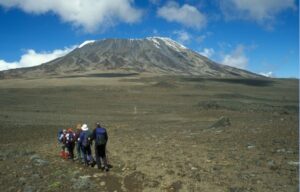
When you climb Kilimanjaro, you’re tackling the world’s tallest free-standing mountain—a volcanic mass rising independently rather than as part of a mountain range. This isolation creates a dramatic visual impact visible from incredible distances. The mountain’s three volcanic cones—Kibo, Mawenzi, and Shira—formed through millions of years of volcanic activity, creating the varied terrain that makes every day’s trekking visually distinct.
Perhaps most remarkably, when you climb Kilimanjaro, you compress an ecological journey spanning from equator to Arctic into just a few days. The cultivated farmland at the base transitions to lush rainforest where moisture nurtures incredible biodiversity. Higher elevation moorlands feature bizarre giant plants found nowhere else. The alpine desert above 4,000 meters presents barren, otherworldly landscapes. Finally, the arctic summit zone preserves ancient glaciers despite decades of climate-driven retreat. This compressed diversity keeps you mentally engaged even as physical demands intensify with altitude.
The achievement itself carries profound personal significance. Successfully climbing Kilimanjaro proves to yourself and others that you’re capable of extraordinary accomplishments through proper preparation and unwavering determination. Many climbers report that reaching Uhuru Peak represents a life-defining moment that shifts their perspective on what becomes possible when they commit fully to challenging goals.
Planning to Climb Kilimanjaro: Essential Timeline
Proper planning begins six to twelve months before you actually climb Kilimanjaro. This extended timeline allows adequate physical preparation, logistical arrangements, and financial planning.
6-12 Months Before
Begin researching routes and operators. Read reviews, compare offerings, and ask detailed questions about safety protocols, crew treatment, and success rates. Book your climb once you’ve identified reputable operators—popular seasons fill months in advance. Start your physical training program focusing initially on building cardiovascular base and baseline strength.
3-6 Months Before
Intensify training incorporating longer weighted hikes, back-to-back training days, and altitude-specific conditioning if possible. Consult your physician for pre-departure physical examination and discuss altitude sickness prevention including potential Diamox prescription. Begin assembling your gear through purchases and identifying rental needs. Obtain necessary vaccinations—some require multiple doses over several weeks.
1-3 Months Before
Finalize equipment selections and break in new boots thoroughly. Purchase comprehensive travel insurance covering high-altitude trekking and emergency evacuation. Book international flights and pre/post-climb accommodation in Tanzania. Complete final training weeks with longest, most challenging hikes simulating actual climbing conditions. Apply for a Tanzania tourist visa if required for your nationality.
1-2 Weeks Before
Pack carefully using detailed checklists. Conduct final gear checks ensuring everything functions properly. Confirm all bookings—flights, accommodation, operator. Prepare tip money in sealed envelopes with appropriate denominations. Begin thinking mentally about the challenge ahead, visualizing success while preparing psychologically for difficult moments.
Route Selection When You Climb Kilimanjaro
Choosing the right route represents your most consequential decision affecting summit probability and overall experience when you climb Kilimanjaro.
Machame Route: Proven Performance
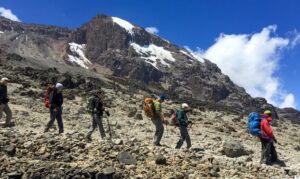
The Machame Route carries the highest traffic among camping routes for legitimate reasons. When you climb Kilimanjaro via Machame, the six to seven-day itinerary provides solid acclimatization through naturally occurring “climb high, sleep low” profiles. The route showcases incredible scenic diversity from rainforest through moorland to alpine desert and finally the arctic summit zone.
The famous Barranco Wall—a 257-meter rock scramble—adds memorable challenge without requiring technical skills. With approximately 70% success rates and moderate pricing, Machame delivers excellent value. First-time climbers seeking proven effectiveness at reasonable cost find Machame consistently reliable.
Lemosho Route: Premium Success
Those willing to invest additional time and resources to climb Kilimanjaro often choose Lemosho. The seven to eight-day western approach begins in remote wilderness, providing authentic solitude during early stages. Extended duration enables superior acclimatization, translating to 80-85% success rates substantially higher than shorter alternatives.
The traverse across the expansive Shira Plateau offers breathtaking vistas rewarding your effort from day one. Though Lemosho eventually merges with Machame, those initial wilderness days create special memories. The route costs 15-25% more than Machame, but many climbers consider higher summit probability and enhanced scenery worth the premium.
Northern Circuit: Maximum Probability
When summit success matters above all else, the Northern Circuit delivers unmatched results. This eight to nine-day circumnavigation represents the longest, most comprehensive way to climb Kilimanjaro, winding nearly completely around the mountain. Success rates consistently exceed 90%—the highest available.
You’ll experience northern slopes other routes never see, witness unique perspectives, and give your body maximum acclimatization time. The substantial time commitment (11-14 total days including travel) and premium pricing 30-50% above Machame limit accessibility, but if budget and schedule permit, Northern Circuit provides optimal summit odds.
Marangu Route: Traditional Comfort
The Marangu Route—Kilimanjaro’s original tourist route—offers unique hut accommodation appealing to those preferring beds over tents. The five to six-day itinerary attracts budget-conscious climbers. However, shorter duration produces concerning 55-60% success rates due to inadequate acclimatization time.
The gradual slope creates misleading impressions that it’s easier to climb Kilimanjaro via Marangu, but altitude doesn’t discriminate based on slope gradualness. Additionally, ascending and descending identical routes reduces scenic variety. Choose Marangu only if hut accommodation is essential or budget constraints are severe while acknowledging the success rate compromise.
Rongai Route: Northern Wilderness
The Rongai Route approaches from the north near Kenya, offering distinct advantages. Positioning on the rain shadow side makes it the driest route—ideal when you want to climb Kilimanjaro during wet seasons when western routes become muddy. The six to seven-day itinerary provides moderate acclimatization with 65-70% success rates.
Northern approaches encounter fewer trekkers and offer enhanced wildlife viewing in lower elevations. The main limitation involves ascending and descending via the same route. For those wanting to climb Kilimanjaro during April-May or November, Rongai provides optimal conditions.
Physical Conditioning to Climb Kilimanjaro
Successfully preparing your body to climb Kilimanjaro requires structured training over four to six months focusing on specific fitness dimensions.
Aerobic Base Building
When you climb Kilimanjaro, you’ll trek five to eight hours daily across consecutive days at progressively higher altitudes where oxygen becomes increasingly scarce. Building robust aerobic capacity proves fundamental. Start with 30-minute cardiovascular sessions—running, cycling, swimming, rowing—at conversational pace where you can maintain normal conversation while exercising.
Gradually extend session duration to 90 minutes while maintaining similar relative effort. This develops the aerobic foundation enabling sustained moderate-intensity effort characteristic of high-altitude trekking. Include weekly interval training alternating between moderate and challenging intensities, preparing you for steeper sections and summit night’s relentless demands.
Trekking-Specific Preparation
The most effective training mimics actual conditions you’ll face when you climb Kilimanjaro. Begin with three-hour weekend hikes carrying 7-8 kilograms in your pack. Progressively build to eight-hour treks with 15 kilograms. Prioritize routes featuring 700-1,000 meters elevation gain—vertical training prepares your body far more effectively than flat-terrain walking regardless of distance covered.
Implement back-to-back hiking days simulating consecutive climbing days. Complete challenging Saturday treks followed by moderate Sunday hikes while fatigued. This trains your body to perform when tired and reveals potential problems—footwear issues, pack discomfort, nutrition challenges—before you’re committed on the mountain where corrections become difficult.
Strength and Stability
Strong legs prove invaluable when you climb Kilimanjaro, carrying you efficiently uphill and protecting knees during extended descents. Incorporate squats, lunges, step-ups, deadlifts, and calf raises twice weekly. Single-leg exercises—Bulgarian split squats, single-leg deadlifts, pistol squats—improve balance crucial for navigating uneven volcanic terrain.
Core stability maintains proper posture under pack weight and accumulating fatigue. Planks, side planks, bird dogs, dead bugs, and anti-rotation exercises build functional core strength. Strong cores prevent the forward lean developing when exhausted, which restricts breathing—particularly problematic at altitude where breathing efficiency becomes critical.
Upper body endurance matters despite Kilimanjaro being predominantly leg-intensive. Your shoulders and back support daypack weight throughout long days. Rows, pull-ups, push-ups, and overhead presses build the endurance needed for comfortable posture maintenance for hours.
Psychological Readiness
Physical fitness alone doesn’t guarantee you’ll successfully climb Kilimanjaro. Mental toughness often determines summit success when discomfort peaks during summit night’s brutal hours. Practice visualization exercises where you mentally rehearse challenging scenarios—extreme cold, altitude effects, pushing through exhaustion, maintaining motivation during psychological lows.
Develop personal mantras providing strength during difficult moments. Simple phrases repeated during challenging periods provide surprising power. Read detailed accounts from others who successfully climb Kilimanjaro, understanding that suffering is normal, temporary, and survivable builds crucial psychological resilience.
Understanding Altitude When You Climb Kil
imanjaro
Altitude represents the defining challenge when you climb Kilimanjaro, responsible for approximately 75% of turnarounds. Comprehensive understanding and proper management dramatically improve summit probability.
Altitude’s Physiological Impact
As you climb Kilimanjaro, atmospheric pressure decreases while oxygen percentage remains constant at 21%. This reduced pressure delivers less oxygen per breath. At the 5,895-meter summit, each breath provides roughly 50% of sea-level oxygen—imagine sustained exercise while breathing through a narrow straw.
Your body compensates through multiple mechanisms. Breathing rate increases unconsciously, attempting to maintain oxygen delivery. Heart rate elevates, circulating available oxygen more rapidly. Over days, kidneys produce erythropoietin stimulating red blood cell production, enhancing oxygen-carrying capacity. These adaptations require time—explaining why longer routes with gradual ascent profiles succeed far more frequently than rapid ascents.
Altitude Illness Recognition
Most people who climb Kilimanjaro experience mild Acute Mountain Sickness (AMS). Common symptoms include headache, nausea, appetite loss, fatigue, dizziness, and sleep disturbance. These typically emerge around 2,500-3,000 meters and often improve with rest and continued gradual ascent as adaptation occurs.
However, severe symptoms demand immediate serious attention. Loss of coordination inability to walk straight line, confusion or altered mental state, severe headache unrelieved by standard pain medication, breathing difficulty while resting, or coughing pink frothy fluid indicate High Altitude Cerebral Edema (HACE) or High Altitude Pulmonary Edema (HAPE)—medical emergencies requiring immediate descent regardless of summit proximity.
Acclimatization Implementation
Successfully managing altitude when you climb Kilimanjaro requires implementing proven strategies. Ascend gradually following guides’ “pole pole” pace religiously—this deliberately slow approach maximizes acclimatization effectiveness despite frustrating fit climbers initially. Stay aggressively hydrated consuming four to five liters daily even without thirst. Dehydration significantly worsens altitude effects.
Force adequate nutrition despite altitude’s pronounced appetite-suppressing effects. Your body requires tremendous calories for acclimatization work and sustained activity. High-carbohydrate foods digest easier at altitude while providing readily available energy. Religiously implement “climb high, sleep low” principles during acclimatization days—hiking to higher elevations before returning to camp at lower altitude for sleeping stimulates adaptation while allowing recovery.
Some who climb Kilimanjaro use Diamox (acetazolamide) to assist acclimatization. This prescription medication stimulates breathing and accelerates adaptation through mild blood acidification. Consult physicians experienced in altitude medicine to discuss appropriateness. If prescribed, trial Diamox at home weeks before departure, identifying potential side effects.
Critical Equipment to Climb Kilimanjaro
When you climb Kilimanjaro, equipment quality directly impacts comfort, safety, and summit success probability across extreme temperature variations.
Footwear Priority
Quality hiking boots represent your most critical gear investment. Choose waterproof, insulated boots with excellent ankle support, aggressive tread, and proven personal comfort. Break them in thoroughly through multiple long training hikes—discovering boot problems when you actually climb Kilimanjaro transforms potential triumph into certain agony. Pack multiple sock systems: thin moisture-wicking liners paired with thick insulating outer socks in merino wool or quality synthetics.
Clothing Layers
Master three-layer principles for effective temperature regulation spanning from 30°C tropical heat to -25°C arctic cold. Base layers contacting skin should be synthetic or merino wool (never cotton), wicking moisture while maintaining warmth. Mid-layers provide insulation through fleece or lightweight down, trapping warm air while allowing moisture escape. Outer shells block wind and precipitation while remaining breathable.
For summit night specifically, you’ll need expedition-weight insulated jacket rated minimum -20°C, insulated pants, warm hat covering ears, insulated balaclava, and heavy gloves or mittens. Chemical hand and toe warmers provide emergency backup warmth. Many who attempt to climb Kilimanjaro underestimate summit night’s brutal cold and suffer unnecessarily or turn back due to hypothermia risk.
Sleep System
A sleeping bag rated minimum -15°C ensures adequate warmth when you climb Kilimanjaro, though colder ratings provide valuable safety margins. Sleeping bag liners add warmth while keeping bags cleaner. A quality sleeping pad with high R-value proves equally critical—significant body heat escapes to frozen ground without proper insulation, compromising sleep quality at altitude where rest becomes increasingly important.
Essential Accessories
Reliable LED headlamp with fresh batteries plus complete spare set illuminates predawn summit attempts. Trekking poles reduce knee stress during descents by 20-30% while providing stability on steep sections. Hydration systems preventing freezing—either insulated hydration bladders or multiple bottles in insulated covers—maintain fluid access. High-SPF sunscreen (50+), UV400-rated glacier sunglasses, SPF lip balm, comprehensive first-aid kit, personal medications, and blister prevention supplies complete essentials.
Summit Night: The Ultimate Test
Summit night represents the culminating challenge when you climb Kilimanjaro—the most physically and mentally demanding segment of your entire journey. Understanding what awaits helps you prepare psychologically.
Your wake-up call comes around 11 PM or midnight after limited sleep at high altitude. After forcing down breakfast and hot beverages, you’ll begin ascending around midnight or 1 AM. The strategic timing serves multiple purposes: frozen volcanic scree provides stable footing, you’ll summit around sunrise for spectacular views, and you’ll descend before afternoon weather potentially deteriorates.
The first hours pass in darkness with only headlamps illuminating the trail. Bitter cold penetrates despite your layers. Breathing becomes increasingly labored as altitude effects intensify with each upward step. Progress slows dramatically as your body struggles extracting oxygen from thinning air. Your legs feel leaden, your head may pound, nausea might grip you.
Mental fortitude becomes as critical as physical fitness during these dark hours. Many who climb Kilimanjaro experience profound doubts about their ability to continue. This is precisely when mental preparation matters most. Break the summit into manageable increments: reach that rock formation, make it to the next rest stop, survive the next ten minutes. Celebrate each small victory.
As dawn approaches and you near the crater rim, the sky gradually lightens. Reaching Stella Point or Gilman’s Point brings enormous psychological relief—you’re almost there. The final push around the crater rim to Uhuru Peak demands everything remaining, but the summit sign appearing through the darkness creates emotional surges carrying you forward.
Standing at Uhuru Peak as sunrise illuminates glaciers and African plains stretching endlessly below creates an unforgettable moment of triumph. The exhaustion, cold, and discomfort fade into insignificance compared to overwhelming achievement. You’ve successfully climbed Kilimanjaro.
Conclusion
The journey to climb Kilimanjaro transcends physical achievement, evolving into a profound experience of self-discovery and personal transformation. The mountain tests your body’s limits while simultaneously challenging your mental resilience, determination, and character. Standing atop Uhuru Peak creates a life-defining moment that resonates throughout your existence, fundamentally shifting perspectives on what becomes possible when you commit fully to challenging goals.
The lessons learned when you climb Kilimanjaro extend into every aspect of life. You discover experientially that consistent, patient effort overcomes seemingly impossible obstacles when you refuse to quit. You learn that temporary discomfort pales compared to lasting satisfaction derived from pushing through genuinely difficult moments. You understand that proper preparation exponentially multiplies success probability while shortcuts reliably invite failure.
The relationships forged when you climb Kilimanjaro—with fellow adventurers sharing your struggles and triumphs, with guides and porters whose expertise and encouragement make success possible—often prove as valuable as reaching the summit itself. You’ll return with new friendships transcending normal social boundaries, expanded perspectives on human capability and resilience, and deeper appreciation for different cultures beyond your usual experience.
The mountain also imparts profound humility through direct experience. Nature’s power dwarfs human ambition, and success requires respectfully working with conditions rather than attempting domination. You learn to listen carefully to your body’s signals, accept limitations gracefully, and understand that sometimes the wisest, strongest decision involves turning back to preserve health and attempt another day.
Whether you ultimately reach Uhuru Peak or make the difficult decision to turn back before achieving the summit, you’ll return fundamentally transformed. The courage required to attempt climbing Kilimanjaro, the dedication demonstrated through months of disciplined training, and the perseverance shown confronting the mountain’s formidable challenges all represent significant victories worth celebrating. To climb Kilimanjaro doesn’t just test who you currently are—it reveals who you’re capable of becoming when circumstances push you beyond comfortable boundaries and perceived limitations.
Key Takeaways
- To climb Kilimanjaro requires no technical mountaineering skills, making Africa’s highest summit accessible to determined trekkers without specialized climbing backgrounds, though altitude presents genuine challenges demanding proper preparation, respect, and strategic planning for success
- Route selection when you climb Kilimanjaro directly determines summit probability—8-9 day routes achieve 90%+ success versus 55-60% for 5-6 day routes, making additional acclimatization time the single most impactful controllable factor affecting summit success
- Physical training beginning 4-6 months before you climb Kilimanjaro should emphasize progressive cardiovascular conditioning, weighted hiking with substantial elevation gain, comprehensive strength training, and consecutive training days simulating multi-day climbing demands your body will face
- Altitude management represents the defining challenge when you climb Kilimanjaro, requiring deliberate gradual ascent, aggressive hydration (4-5 liters daily), maintaining nutrition despite appetite loss, and implementing “climb high, sleep low” principles during acclimatization days
- Quality equipment covering extreme temperature ranges from tropical heat exceeding 30°C to arctic cold below -25°C proves essential when you climb Kilimanjaro, particularly thoroughly broken-in waterproof boots, effective layering systems, and serious insulation for brutal summit night conditions
- Ethical operator selection supporting fair porter treatment, reasonable load limits, proper wages, and adequate equipment costs more but ensures superior safety protocols and motivated experienced crews significantly increasing your probability to successfully climb Kilimanjaro
- Summit night beginning around midnight represents the most physically and mentally demanding challenge when you climb Kilimanjaro, requiring 5-7 hours of climbing in extreme conditions and demanding thorough psychological preparation plus unwavering determination through extreme discomfort
- Cultural engagement through basic Swahili phrases, genuine interest in crew members’ lives, and generous appropriate tips (10-15% of trek cost) enriches your experience when you climb Kilimanjaro while directly supporting local communities depending on tourism income
Frequently Asked Questions
How long does it take to climb Kilimanjaro?
The time to climb Kilimanjaro ranges from 5 to 9 days depending on your chosen route. Shorter routes like Marangu take 5-6 days but achieve only 55-60% success rates due to insufficient acclimatization time. Medium-length routes like Machame require 6-7 days with 70% success rates. Longer routes like Lemosho take 7-8 days achieving 80-85% success, while Northern Circuit’s 8-9 days delivers 90%+ success rates. Including travel days, pre-climb preparation in Tanzania, and post-climb recovery, the complete experience typically requires 10-14 total days. The extra days invested in longer routes dramatically improve your probability of successfully reaching Uhuru Peak, making them worthwhile investments despite higher costs.
What is the hardest part about climbing Kilimanjaro?
Summit night represents by far the most difficult segment when you climb Kilimanjaro. Beginning around midnight, you’ll ascend 1,000-1,200 meters over 5-7 hours in extreme cold (-15°C to -25°C), at extreme altitude where oxygen is roughly 50% of sea level, in darkness, with minimal sleep beforehand, often while experiencing altitude sickness symptoms. The combination of altitude, cold, darkness, fatigue, and relentless uphill effort makes summit night exponentially harder than any previous day. Many climbers report that summit night tests their mental limits more than physical fitness. However, understanding this difficulty and preparing psychologically helps prevent the shock and demoralization that can occur if expecting conditions similar to previous days.
Can beginners climb Kilimanjaro?
Yes, beginners without previous mountaineering experience can successfully climb Kilimanjaro. The mountain requires no technical climbing skills—no ropes, ice axes, crampons, or specialized equipment. However, beginners should compensate for inexperience through extended training (6 months rather than 4), choosing longer routes (Lemosho or Northern Circuit) providing extra acclimatization time, and investing in quality operators with experienced guides. Starting from average fitness, most beginners need 4-6 months of consistent training emphasizing cardiovascular conditioning and weighted hiking to prepare adequately. Many first-time high-altitude trekkers successfully climb Kilimanjaro annually—determination and proper preparation overcome inexperience.
How cold does it get when you climb Kilimanjaro?
Temperature ranges vary dramatically by elevation when you climb Kilimanjaro. Base areas and lower forests experience tropical conditions of 25-30°C during the day. Mid-elevation moorland zones range 10-20°C during the day, dropping to 0-5°C at night. High camps at 4,500-4,900 meters experience daytime temperatures around 0-5°C, dropping to -10°C to -15°C at night. Summit night and the summit itself present the coldest conditions: -15°C to -25°C, with wind chill making it feel significantly colder. The coldest temperatures occur during June-October dry season. Proper cold-weather gear including expedition-weight insulation is absolutely essential for summit night safety and success.
Do you need a permit to climb Kilimanjaro?
Yes, climbing permits are required to climb Kilimanjaro, but your tour operator handles all permit arrangements—you cannot obtain permits independently. Kilimanjaro National Park requires entrance fees, camping/hut fees, guide fees, porter fees, and rescue fees collectively totaling $800-1,200 depending on route and duration. These fees are typically included in your operator quote. Additionally, independent climbing is prohibited—Tanzanian regulations require all climbers to book through registered operators with licensed guides. You’ll also need a Tanzania tourist visa ($50-100 depending on nationality) obtainable on arrival or in advance online. Your operator will request passport copies for permit applications typically 2-3 months before your scheduled climb date.
What food do you eat when climbing Kilimanjaro?
Food when you climb Kilimanjaro is surprisingly good despite challenging conditions. Breakfasts typically include porridge, eggs, toast, pancakes, fruit, tea, coffee, and juice. Lunches feature sandwiches, soups, vegetables, pasta, and fruit. Dinners offer multiple courses including soup starters, main dishes (chicken, beef, pasta, rice, potatoes, vegetables), and desserts. Cooks accommodate dietary restrictions including vegetarian, vegan, gluten-free, and allergies with advance notice. However, appetite typically decreases with altitude, so bringing supplementary snacks you know work for your body proves valuable—energy bars, nuts, dried fruit, chocolate, electrolyte drinks. Avoid trying unfamiliar foods on the mountain—stick with items your digestive system tolerates well.
Is climbing Kilimanjaro worth it?
For most people who successfully climb Kilimanjaro, the experience proves profoundly worthwhile despite significant investments of time, money, and effort. The achievement provides lasting satisfaction and confidence extending into other life areas. The journey through diverse ecological zones, the cultural exchanges with Tanzanian crews, the friendships forged with fellow climbers, and the transformative experience of pushing beyond perceived limitations create memories and personal growth lasting lifetime. Standing atop Africa’s highest point watching sunrise illuminate the continent provides a perspective-shifting moment many describe as life-defining. However, the investment is substantial—$4,000-8,000+ total costs and 10-14 days including travel. Consider your personal motivations, physical capabilities, financial situation, and available time when deciding if it’s worth it for you specifically.
What happens if weather is bad when you climb Kilimanjaro?
Weather conditions significantly impact the experience when you climb Kilimanjaro, though climbs rarely cancel entirely due to weather. Rain, wind, and cold are expected elements. Quality operators and experienced guides know how to climb safely in various conditions. However, extreme weather—severe storms, dangerous lightning, or dangerously cold summit conditions—can force route modifications, summit attempt delays, or occasionally turnarounds for safety. Weather is most unpredictable during wet seasons (April-May, November), though even dry seasons experience occasional storms. This is why comprehensive travel insurance with trip interruption coverage is essential. Most operators don’t refund for weather-related issues since costs are incurred regardless. Choosing dry season climbs (January-March, June-October) minimizes weather risks though never eliminates them entirely.
Can you climb Kilimanjaro if you’re afraid of heights?
Most people with mild height anxiety successfully climb Kilimanjaro since the routes primarily involve hiking trails rather than exposed cliff edges requiring climbing. The Barranco Wall on Machame and Lemosho routes involves some exposed scrambling but isn’t technically difficult and guides provide support. However, individuals with severe acrophobia (extreme height fear) might struggle during certain sections, particularly the Barranco Wall which requires looking down while scrambling. If height anxiety concerns you, consider the Marangu or Rongai routes which avoid the Barranco Wall and feature less exposure. Discuss concerns with your operator beforehand—they can recommend appropriate routes and provide additional support. Many with moderate height concerns successfully climb Kilimanjaro by focusing on the trail immediately ahead rather than looking down.
What is the youngest age to climb Kilimanjaro?
Kilimanjaro National Park regulations prohibit climbers under 10 years old. Children aged 10-17 can climb Kilimanjaro with parental or guardian consent and must be accompanied by responsible adults throughout the climb. The youngest successful summiter was 7 years old (before current regulations), while numerous children aged 10-12 successfully climb Kilimanjaro annually. However, children face additional challenges including less developed cardiovascular systems, potentially lower mental resilience during difficult moments, and less experience understanding their bodies’ signals. Parents considering taking children to climb Kilimanjaro should choose longer routes maximizing acclimatization time, ensure children train appropriately for several months, and select operators experienced working with young climbers. Medical clearance from pediatricians experienced in altitude medicine is essential before attempting Kilimanjaro with children.